Diesel diagnostics
Codes pulled and chased at the truck. Derates, no-starts, and the warning lights that pick terrible timing.
Norfolk trucking answers to gates: terminal gates, base gates, dock gates, and the tunnel entrances that decide whether a schedule survives the day. When a truck fails anywhere in that system, Norfolk Truck & Trailer Repair Co. brings the repair to it, on the Military Highway corridors, in the yards feeding the international terminals, or at the dock where a trailer just failed its pre-trip with a load already assigned.
We handle diesel, brakes and air, trailer work, tires, and electrical, and we answer the phone like the working port city this is: at all hours, with straight answers.
The company name says trailer on purpose. Half the equipment moving through this port is a chassis or a box that no tractor shop wants to touch, and it deserves better than being an afterthought. Here it is the specialty.
Location wins calls in this city. Lead with the gate, the terminal, or the yard row, then the machine and the symptom.
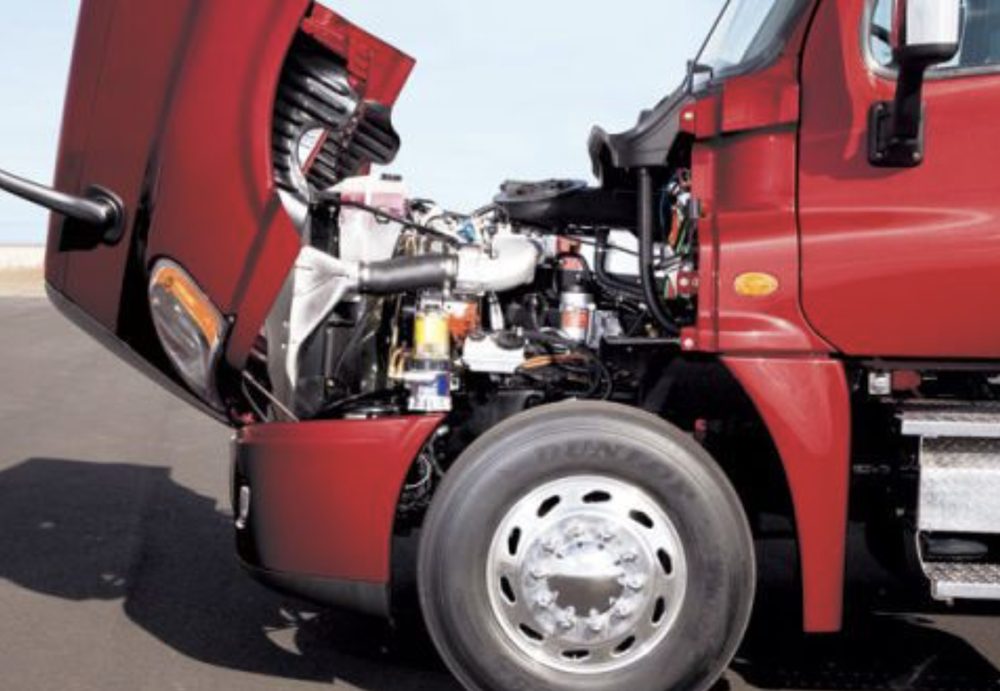
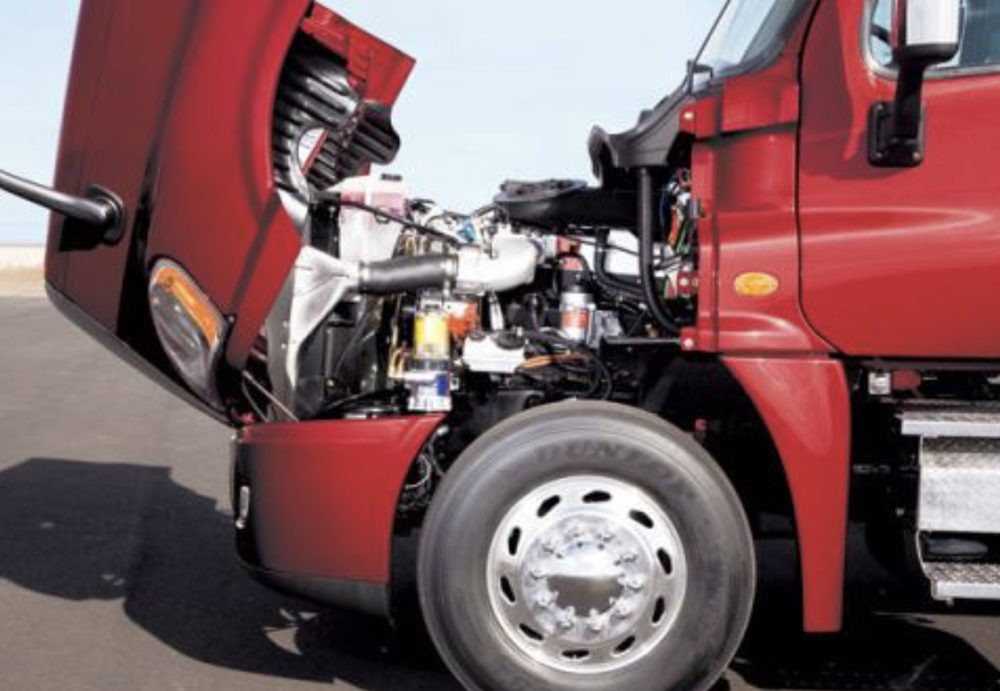
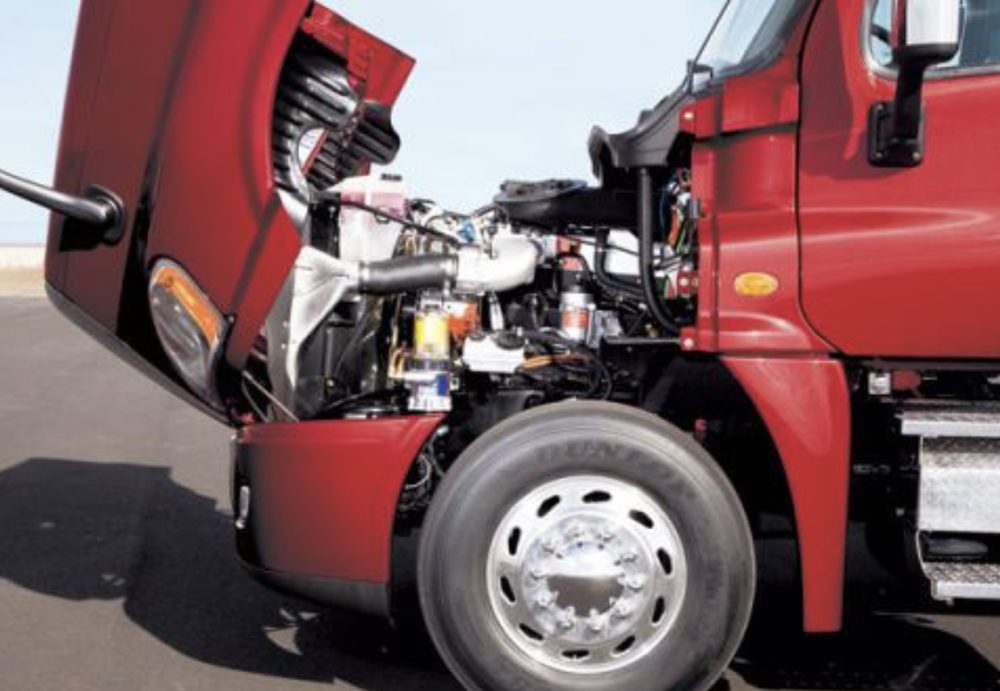
Codes pulled and chased at the truck. Derates, no-starts, and the warning lights that pick terrible timing.
Full air-system work at the truck: leaks, chambers, valves, adjustment. Tunnel grades and gate queues punish weak brakes.
Lights, air, kingpins checked, landing gear, doors. Roadability problems fixed before the gate finds them.
Circuits tested end to end, corrosion cut out, connections sealed against the next year of salt air.
Container-weight tire work done right at the yard: changeouts, repairs, pressures across the set.
Scheduled maintenance sweeps timed to your gate calendar and the storm season both.
You give us the symptom, the location with gate detail, and the load status. We give back three things: the probable fault, whether it fixes where it sits, and when we arrive. Terminal-adjacent calls get scheduling straight talk, because a repair window that misses your gate slot is not a repair window at all.
If the fix belongs in a bay, you hear it immediately with the diagnostic reasoning, and you have saved a service fee and half a day of hope.
The spine is I-64 and I-264, the working depth is Military Highway, and the pressure points are the tunnels and the terminal approaches. We run all of it, plus the warehouse districts toward Chesapeake and the drayage yards that live within sight of the cranes. Every location question we ask exists because a Norfolk address without gate detail is only half an address.
Drayage equipment is half our diet. Chassis lights, air lines, landing gear, and the tires that die young under container weight. The other half is the regional fleet traffic that keeps the Southside stocked, fed, and built.
Fleet accounts get what port-clock operations actually need: yard maintenance on schedule, unit histories that catch repeat offenders, and a dispatcher-grade verdict after every call. The owner-operator with one tractor gets the same physics, sized down: honest diagnosis, real windows, and no invoice surprises.
What Norfolk fleets learn fast is that the water tax applies to shop visits too. Every bay trip costs tunnel time both ways. Yard repair is not a luxury here. It is arithmetic.
Near them, constantly; inside depends on the facility's outside-vendor rules. Either way we know the access game: TWIC, escorts, staging lots, and the fastest legal way to get a wrench to your truck.
Get it to the staging area and call with the failure list. Most gate failures are lights, air, or tires, and most of those are same-visit fixes. We also check the rest of the chassis so it does not bounce twice.
Sometimes, honestly quoted. The tunnels cost time in both directions, so if a Peninsula option can reach you faster we will say so. Southside calls are where we are quickest.
Before landfall we run preparation calls: fuel, batteries, and fleets closing out open repairs. After, we triage by operational priority. If your fleet has a storm plan, get us into it in advance and the week gets easier.
Yes. Off-road yard equipment is a steady part of Southside work, and it responds well to scheduled attention since it never sees a DOT lane to force the issue.
The trailer side fully: doors, seals, floors, air, lights, and the electrical feeding the unit. Cold-chain calls move up the queue, so lead with the load temp when you call and we will plan the save-the-load step before the fix-the-trailer step.
Yes, and Southside fleets should. Yard rounds timed to your gate calendar, unit histories kept, storm-season preparation built into the rhythm. One call sets it up, the first visit usually justifies the habit, and your emergency-call frequency starts falling the month after. Ask for the fleet arrangement when you call and we will sort the details on the spot.
Container weight is honest and relentless: it finds weak tires, tired brakes, and every chassis component that was one inspection past its prime. Our chassis calls start with the assumption that whatever failed has siblings, so we check the set, not just the squeaky wheel. It is why our gate-failure repeat rate stays low.
Weather here means salt in the air year-round and a hurricane calendar on the wall. Corrosion drives our electrical work: we cut out the green pin instead of brightening the bulb. Ahead of named storms the phone becomes a preparation line, and after them it becomes a triage line. Both weeks, it gets answered.
Port-adjacent operations live with compliance the way farmers live with weather, so our paperwork acts accordingly. Every repair leaves a record of what failed, what was done, and what was recommended, written so a safety manager can drop it straight into a maintenance file. When the DOT or an insurer comes asking, the fleet that used mobile repair looks exactly as buttoned-up as the fleet that used a bay, because the documentation is the same quality. Repairs end. Records outlast them.
A container chassis is the simplest vehicle in the system and the one that fails the most inspections, because it spends its life loaded, outside, and last on everyone's maintenance list. We treat chassis calls as pattern work: when one marker light is dead we test the run, when one tire is down we gauge the set, when one brake drags we stroke-check the axle. It takes minutes longer per visit and it is the difference between a fixed chassis and a chassis that bounces at the next gate too.
Drayage operators feel this directly: fewer roadability failures, fewer missed windows, fewer phone calls that start with the word again.
Vessel schedules, base logistics, and overnight freight mean the Southside breaks down around the clock, so the dispatch line runs around the clock too. Night calls get the same triage and the same honesty about windows. The only thing that changes after dark is the traffic, and frankly, it improves.
Between the port and the bases runs a corridor of yards, terminals, and contractor lots that keeps this region operating. The equipment there ranges from new tractors to yard mules older than their drivers, and all of it eventually needs a wrench where it works. That corridor is our daily commute, and the fleets on it know the number.
Gate, yard, or shoulder. Symptom and load. You get the verdict, the window, and a technician moving. The rest is just wrenches.